Nissan Juke review – popular small SUV is sharper to drive
"The latest Nissan Juke is better to drive and more family-friendly, with improved space and a bigger boot"

Pros
- Good value
- Improved interior space
- Better to drive than before
Cons
- Hybrid is expensive
- Noisy manual gearbox
- Limited engine range
Verdict – is the Nissan Juke a good car?
The latest Nissan Juke makes a better family car than the last one; it's more spacious, better equipped, good to drive and well-priced. Particularly in mid-level N-Connecta trim, it's a strong proposition in the packed small SUV. However, with so many great rivals, you’ll also need to love how the Juke looks to choose it over the rest.
Nissan Juke models, specs and alternatives
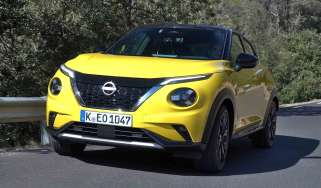
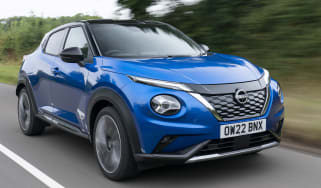
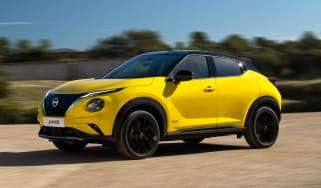
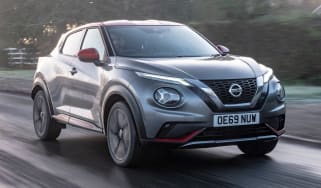
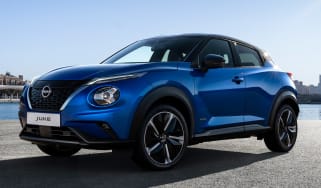
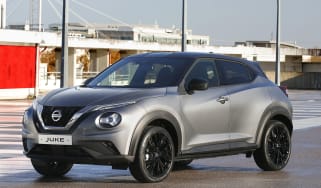
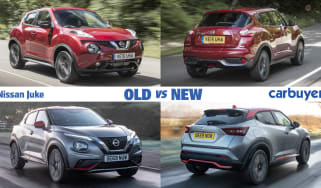
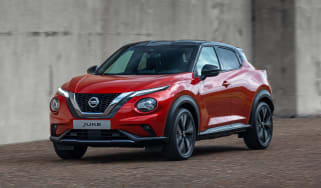
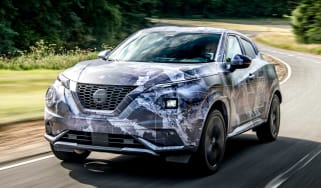
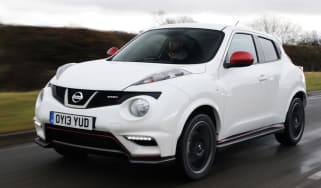
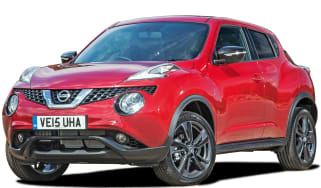
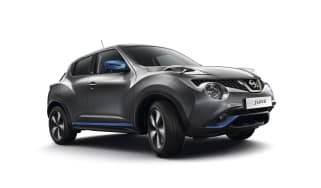
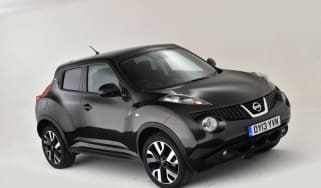
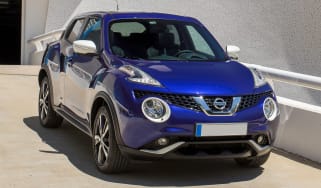
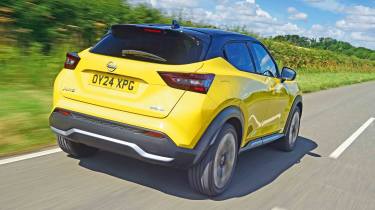
The Nissan Juke was one of the first cars of its type when it arrived, leading the way as a small SUV back before they became popular in the early 2010s. This is the second-generation model, and despite a refreshed look, its lineage is clear – it still sports a quirky, bold design but adds to the recipe with improved practicality and a better driving experience.
The Juke starts from £23,500 in non-hybrid manual guise, which makes it cheaper than rivals such as the Ford Puma but more expensive than the Renault Captur. Keep an eye out for attractive finance deals, though, because the Juke is often offered with attractive deals and discounts that can make it more enticing. It’s proven itself as a popular car, and regularly features in the charts as one of the top 10 best-selling models in the UK along with the Qashqai.

The current Nissan Juke was given a mid-life facelift in 2024. While the exterior looks much the same as before, bigger changes came underneath the surface, with fit and finish greatly improved and more generous equipment levels. The Nissan Juke inherited the larger 12.3-inch infotainment screen from the Qashqai and Ariya, replacing the old eight-inch one on the dash, while the software has also been updated with a few more features. Material quality was also improved with wider use of Alcantara and a new centre armrest added.
More reviews
Car trim reviews
In-depth reviews
Used car reviews
This generation of Nissan Juke is bigger in all directions, so you won't now have to worry about asking friends or family to sit in the back. There's more legroom and knee room, and the 420-litre boot is a small step up in size from the average family hatchback. Some rivals are better in both respects, though.
The engine lineup starts with a 1.0-litre petrol that produces 112bhp and is pretty fuel efficient, getting up to 48.7mpg in manual form – in automatic form efficiency drops slightly to 47.1mpg. This engine should prove adequate for most drivers, but there’s also the option of a hybrid that uses a 1.6-litre petrol combustion engine paired with an electric motor for 141bhp and even better fuel efficiency of up to 58.9mpg. There’s currently no electric version of the Nissan Juke, so this is your best bet for low running costs.
Nissan offers five trim levels for the Nissan Juke, starting with Acenta Premium, moving up through N-Connecta, Tekna, Tekna+ and onto the top-of-the-range N-Sport. Acenta Premium comes with stylish 17-inch alloys as standard, and although taste can be subjective, it’s safe to say the Nissan Juke’s styling isn’t bland. All cars also get the large 12.3-inch screen with wireless Apple CarPlay and Android Auto, a seven-inch digital gauge cluster, cruise control, a rear-view camera and other goodies, so the Juke feels well equipped.
Which Is Best?
Cheapest
- Name1.0 DiG-T Acenta Premium 5dr [Revised]
- Gearbox typeManual
- RRP£24,195
Most Economical
- Name1.6 Hybrid N-Connecta 5dr Auto [Revised]
- Gearbox typeAuto
- RRP£30,075
Fastest
- Name1.6 Hybrid N-Connecta 5dr Auto [Revised]
- Gearbox typeAuto
- RRP£30,075