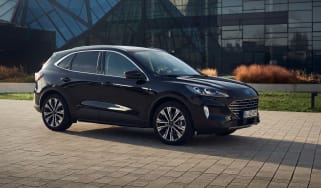
Ford Kuga review – a sharp-handling and efficient SUV
"Like most Fords, the Kuga is rather good to drive and a mid-life facelift has helped it feel sharp versus rivals"

Pros
- Good to drive
- Handy sliding rear bench
- Strong hybrid models
Cons
- Rivals are more spacious
- Limited engine range
- Uninspiring interior
Verdict – is the Ford Kuga a good car?
The Ford Kuga has evolved into a family SUV that’s packed with useful technology, offers impressive practicality and still serves up a great driving experience. Its interior isn’t quite as upmarket as some rivals, but the Kuga is well-priced and its efficient and plug-in hybrid powertrains provide low running costs.
Ford Kuga makes, models and alternatives
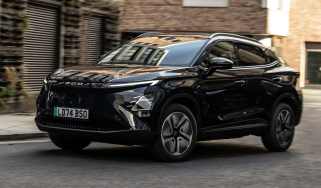
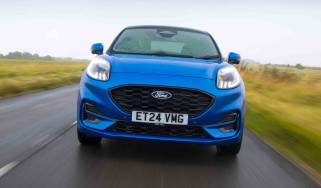
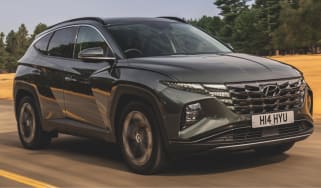
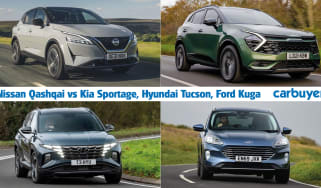
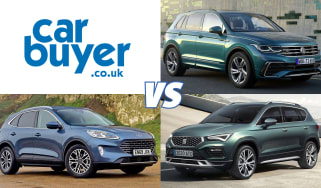
The Ford Kuga is a family SUV that’s an alternative to models such as the Volkswagen Tiguan, Skoda Karoq and Hyundai Tucson. Ford’s SUV line-up also consists of the smaller Ford Puma, while the Ford Explorer is an electric SUV a similar size to the Kuga, and the Mach-E is billed as a premium SUV offering, with a price tag closer to the £50k mark.
 The best mid-size SUVs – our 2025 top picks
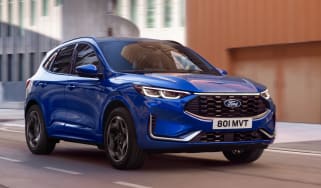
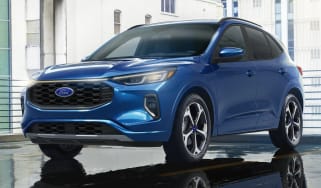
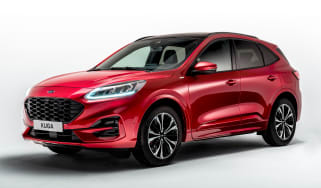
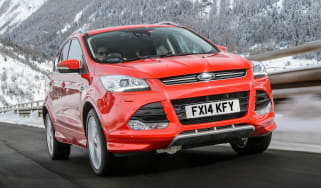
If you’re looking for a medium-size family SUV, there’s also the Toyota RAV4, the SEAT Ateca and many more. Almost all the big car manufacturers offer a model like this, as they’re so popular. The Ford Kuga has its own appeal, though, which helps it to stand out. We think it looks especially smart in the sporty ST-Line trims.
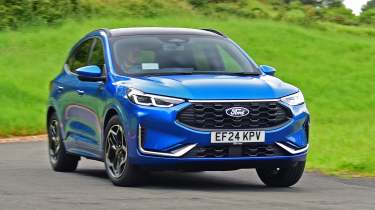
In a push to attract more buyers, Ford frequently offers the plug-in hybrid version of the Kuga with a range of deals, including 0% PCP finance, which makes it very enticing. The PHEV starts from just under £41,000, while entry-level petrol models are just over £32,000.
More reviews
The Kuga underwent a facelift in 2024 bringing a refreshed exterior design that looks a lot more modern, while the interior tech also got some worthwhile updates such as a larger and much slicker infotainment screen. Unfortunately, though, some of the physical switchgear has been removed in the pursuit of minimalism, but at the expense of usability.
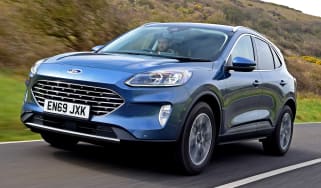
The Kuga’s biggest strength, and the aspect that will appeal most, is the way it drives. The original Kuga was known for being the best car to drive of its type when it came out, and while this new third-generation model isn’t quite so far ahead of the competition, it’s still really enjoyable to spend time behind the wheel. It’s much better to drive than the previous Ford Kuga, too.
There are three distinct powertrains to pick from: a 1.5-litre EcoBoost petrol, a self-charging hybrid (referred to as the ‘FHEV’ by Ford) and a plug-in hybrid (PHEV) model with an official economy figure of over 300mpg. This version can drive for up to 42 miles on electricity alone, which is how it manages that incredible figure. Diesel engines were also offered, but Ford discontinued them in November 2021. The latest diesel engine (the 148bhp 2.0-litre model) featured mild-hybrid assistance to boost economy, and used examples can still make a good buy.
You’ll recognise the interior as Ford has carried over most of the parts from its other SUVs and hatchbacks. While it hasn’t got quite the same visual appeal as a Peugeot 3008 or Mazda CX-5, it’s logically laid out and the standard-fit eight-inch touchscreen controls a lot of the features. High-spec cars get a crisp 12.3-inch digital instrument cluster for the first time.

There used to be five trim levels to choose from, but these were slimmed down to three for the latest facelift. Titanium gets 17-inch alloy wheels and a 13-inch infotainment touchscreen along with a heated windscreen and plentiful safety kit. The mid-level ST-Line has sporty looks and convenience features like a 360-degree camera, powered tailgate and adaptive cruise control. Active is hybrid or plug-in hybrid only and gains black exterior trim, microsuede interior upholstery and a slightly raised ride height.
Ford has outfitted the Kuga with a clever set of sliding rear seats, allowing you to prioritise either boot or passenger space. Offering 526 litres of cargo room with the rear seats pushed forwards, it’s average in terms of practicality, beating the SEAT Ateca but falling short of the spacious Skoda Karoq.
Family buyers will be reassured by the Kuga’s five-star Euro NCAP safety rating, along with its decent satisfaction ratings (15th place out of 75 models in our 2023 results) will be enough to convince buyers, as the brand as a whole finished a disappointing 28th out of 32 manufacturers in our Driver Power survey.
What about buying a used or nearly new Ford Kuga?
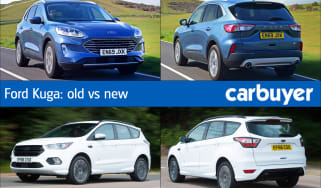
The latest Ford Kuga is the best yet and makes a great used buy because most models will still have some factory warranty left. You can make a decent saving on the new price, plus there are wait times on new models and you may be able to get straight into a used example. It’s certainly a better car than the Mk2 model, so it’s worth spending a little more and choosing the Mk3 model.
What’s its history?
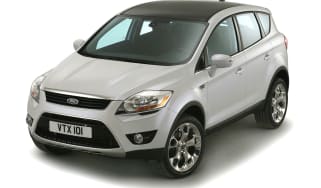
The first Ford Kuga came out in 2008, and it was one of the most enjoyable family SUVs to drive at that time. It competed with the first-generation Nissan Qashqai, just as the current models battle for buyers.
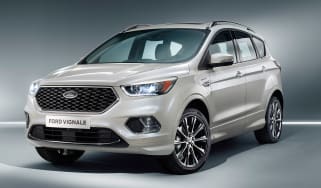
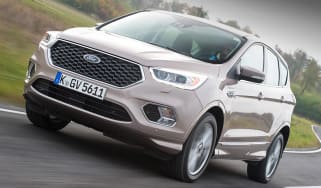
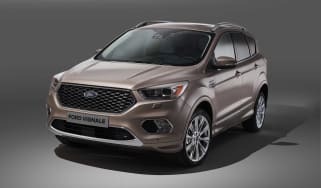
In 2012 the Mk2 model arrived, which was then updated in 2016 with a mid-life facelift. This version is a good-value used option and there are loads of different models to choose from, but it’s considered the worst of the three generations.
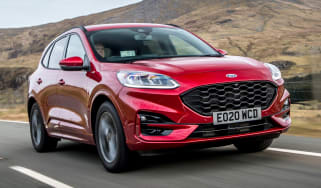
The current Mk3 model arrived in 2019 and we were immediately impressed with its electrified powertrains, much-improved driving experience and high-quality interior. It’s the best Kuga ever, especially in plug-in hybrid form.
Used Ford Kuga (Mk2 2012-2019)
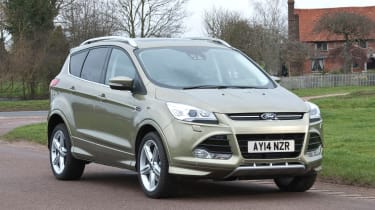
The second-generation Kuga arrived in 2012, although post-2016 models had a better range of engines and more kit, including Android Auto and Apple CarPlay, which make them feel a lot more modern. The interior is otherwise quite dated-looking these days, unlike a Skoda Karoq of a similar age, which still feels up-to-date.
Read the full Kuga Mk2 review...
Used Ford Kuga (Mk1 2007-2012)
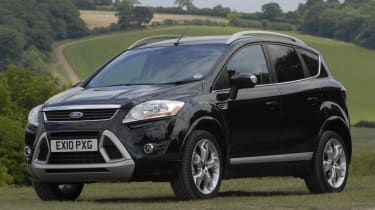
The first-generation Ford Kuga is really cheap to buy as a used car, but you’ll need to be careful when buying because they are reaching the point where you can find neglected examples for sale that haven’t been well looked-after. It’s an interesting choice, and more enjoyable to drive than the Mk2, but will feel its age since it’s more than 10 years old now.