Range Rover Sport review – comfortable and good to drive
“The new Sport offers so much luxury and refinement that the full-size Range Rover almost seems unnecessary”
Pros
- Unflappable refinement
- Luxurious interior
- Powerful engines
Cons
- Not quite as sporty as name suggests
- Sluggish gearbox
- More expensive than before
Verdict – is the Range Rover Sport a good car?
The latest Range Rover Sport is sublimely comfortable and refined, with interior quality and technology that now rivals the best in a competitive class. It’s also capable of spanning an incredible range of conditions from challenging B-roads to tough off-road routes, without feeling compromised in any one area.
Range Rover Sport models, specs and alternatives
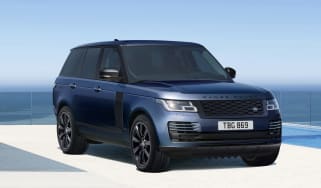
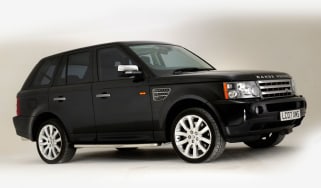
The Range Rover has become an icon of luxurious off-roading and – let’s be honest – a flashy SUV status symbol most likely never to set foot off the beaten track, instead resigned to the school run or to the supermarket for a food shop. The Range Rover Sport was launched about two decades ago as a smaller, more affordable model with a slightly more on-road biased driving experience, though that’s not to say it’s not capable off it, too.
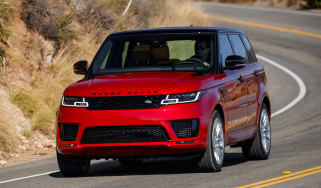
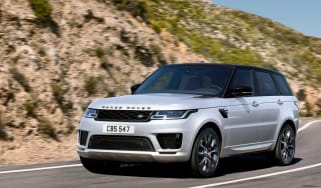
Now the Range Rover Sport is in its third generation and, whereas the jump between the first-generation car and the second-generation model was rather drastic in terms of styling, it’s more evolutionary for the current model.
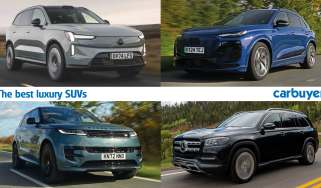
 Best luxury SUVs to buy in 2025
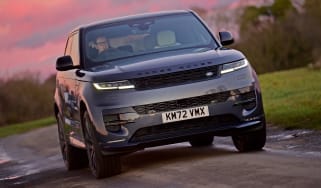
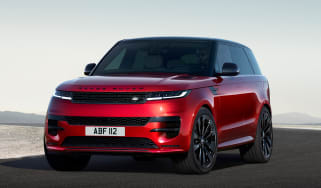
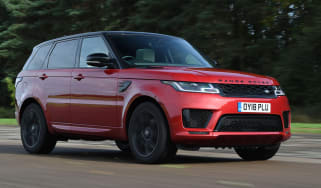
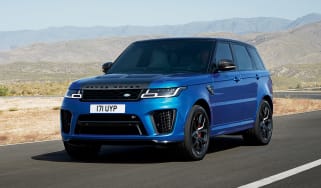
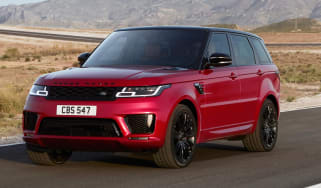
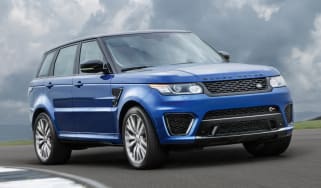
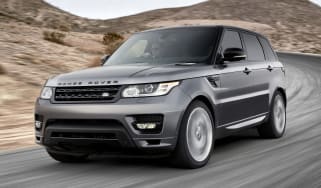
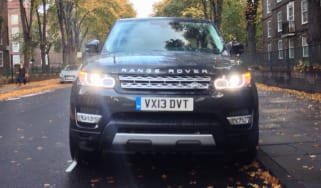
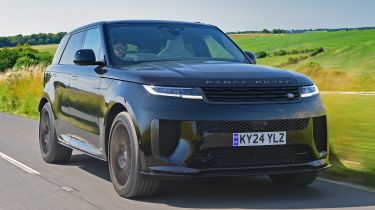
This time around the Range Rover Sport retains a similar silhouette to its predecessor, with a coupe-SUV tapered stance which has clearly proved popular. It’s a look that’s even been emulated by other SUVs looking for an upmarket image – we’re looking at you Jaecoo 7. This time around the Range Rover Sport features slimmer headlights and tail-lights, while a bar of trim unites them at the rear, and the car gets an overall less fussy look.
More reviews
The latest Range Rover Sport is based on the same platform as the larger Range Rover, and allows for a greater capacity for electrification. The entry-level D250 mild-hybrid diesel is claimed to return around 40mpg, whereas both plug-in hybrid models boast a pure-electric range of over 70 miles – more than what’s possible in the equivalent BMW X5 xDrive50e or Porsche Cayenne E-Hybrid.
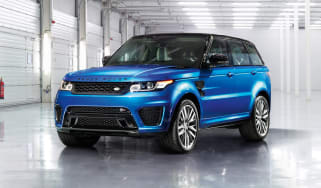
Of course, if you can afford the new Range Rover Sport (prices start from over £75,000), you probably aren’t too worried about high running costs. Land Rover knows this and also offers the Sport in ‘SV’ guise with a 626bhp twin-turbocharged 4.4-litre V8 petrol engine. This delivers supercar levels of performance, and the trick suspension and chassis tuning make the SV a capable machine through the corners, too.
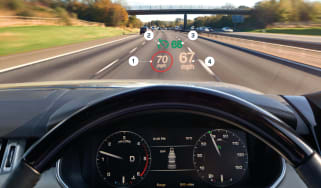
Another huge leap has been made on the inside as the new Sport’s interior offers a much higher level of finish than its predecessor. Nearly everything you touch feels of impeccable quality, while Land Rover’s latest 13.1-inch touchscreen infotainment system is incredibly intuitive and quick to respond.
All of this, alongside a spacious boot and unmatched comfort and refinement, makes the Range Rover Sport one of the most desirable new cars on the market right now. Buyers can specify their ideal car in one of five ascending trim levels: S, SE, Dynamic SE, Autobiography and the high-performance SV Edition Two.
The majority of Land Rover models hold their value well, so Sport finance deals should be competitive with rivals. Unfortunately, despite being available with several fuel-sipping engines, Range Rovers are notoriously expensive to run and insure – and we expect the Sport to be no different.
If you want to check out deals for the Range Rover Sport, use our sister site Auto Express’ Find a Car service to see what’s on offer.