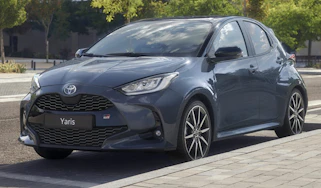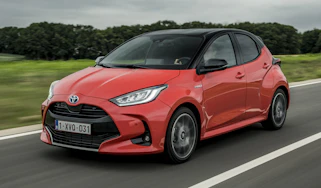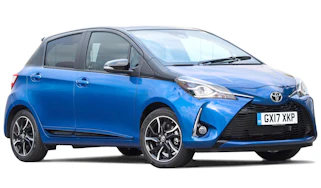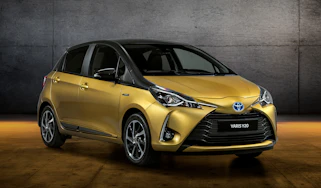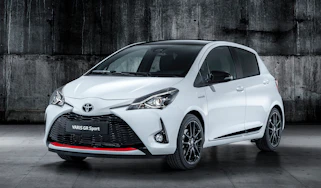
Toyota Yaris review - a frugal hybrid supermini
"The Toyota Yaris Hybrid is the ideal supermini for navigating towns and suburbs"
Pros
- Very economical
- Stylish design
- Well equipped
Cons
- Dull interior
- Can get expensive
- Mediocre boot space
Verdict – is the Toyota Yaris a good car?
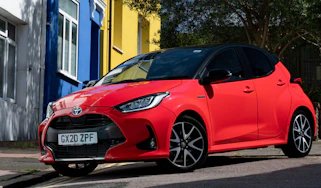
Toyota focused on hybrid technology for its Yaris supermini, making it one of the most affordable cars to run in its small car and supermini class in the process. Not only that, but the Yaris looks better than before, and it’s good to drive. The interior is a little uninspiring and the Yaris can get expensive at the top of the range, though. Despite the availability of a higher-powered option, we’d stick to the cheaper entry-level car that offers the best value for money. As VED tax increases from April 2025 the Yaris will face even stiffer competition from the best small electric cars, but the Yaris will still makes sense for plenty of people, especially those who can't install a home charger.
Toyota Yaris models, specs and alternatives
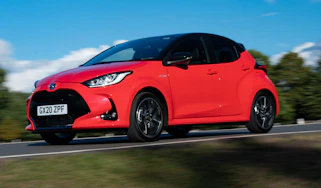
The Toyota Yaris has become a well-established name in the supermini class since the early 2000s, and now in its fourth generation it’s much more technologically advanced and polished than ever. It’s available solely as a hybrid in the UK, with good fuel economy and cheap running costs of top priority.
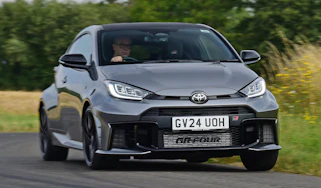
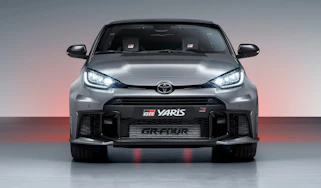
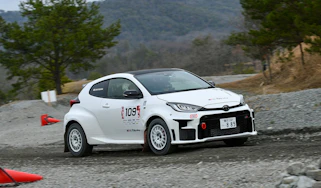
Adding a little extra appeal to the Yaris nameplate is the sporty Toyota GR Yaris hot hatch halo model, but while both cars may share a name and some parts, they’re almost completely different cars underneath, and the hot version also gets a sleek three-door body style.
More reviews
The popularity of SUVs also prompted Toyota to create a more practical small SUV version of the Yaris called the Yaris Cross, which we’ve reviewed separately. This uses similar underpinnings like the same hybrid system to stay economical while providing the benefit of a higher ride height.
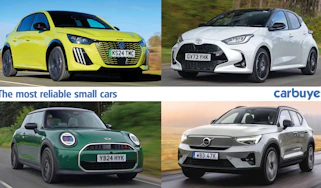
Other manufacturers have got in on the act with hybrid superminis such as the Renault Clio E-Tech and Honda Jazz, and the Yaris Hybrid along with these rivals might make more sense than fully-electric models such as the Vauxhall Corsa Electric and Peugeot E-208 for some buyers; they’re cheaper to buy and their hybrid systems are self-charging, so you won’t need a home wallbox charger to keep them topped up.

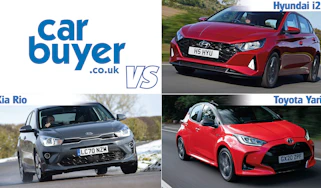
Other rivals are conventional petrol-powered hatchbacks such as the Volkswagen Polo, SEAT Ibiza, Hyundai i20 and standard versions of the Vauxhall Corsa and Peugeot 208. The Yaris Hybrid is more expensive to buy than many of these rivals, but running costs should be lower. For great value for money, you might even consider the Skoda Fabia, Citroen C3 or Dacia Sandero for supermini space on a budget, and while these use basic engine technology, they won’t cost the world to run either. They will face a higher VED road tax bill from April 2025, though, because it penalises higher CO2 emissions.
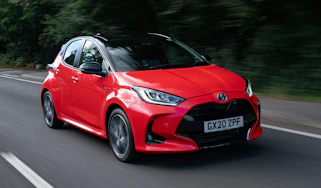
On the road, the Yaris Hybrid performs beautifully in towns and cities. Its CVT automatic gearbox and electric motor are smooth and quiet much of the time, before the 1.5-litre petrol engine kicks in. In normal town and city driving conditions drivers can expect up to 70.6mpg, but take the Yaris Hybrid onto the motorway where the petrol engine has to do more of the work and fuel economy will suffer.
The Toyota Yaris Hybrid underwent a facelift for the 2024 model year, following which there was a choice between two models: the well-established Yaris 115 with the same hybrid system as before, or a second Yaris 130 version with a power boost from 114bhp to 129bhp. The update also brings improved interior tech. Lower-spec models now get a nine-inch touchscreen as standard, plus a seven-inch digital gauge cluster – these are 10.5 inches and 12.3 inches in higher trims respectively. The infotainment system also gains a more sophisticated voice assistant – this can respond to phrases such as “Hey Toyota, I’m cold” by increasing the cabin temperature, among other advanced commands.
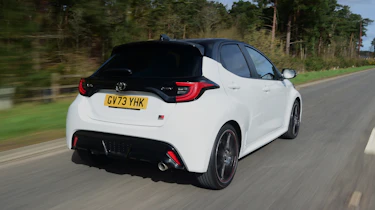
You wouldn’t expect a car of its type to be the most fun to drive, but the Yaris Hybrid’s chassis is fairly accomplished. That means it’s quite agile, particularly when the Yaris is specced with 17-inch alloy wheels, although the automatic gearbox (the only option on the Yaris) isn’t as engaging as a manual would be on a back road. We’d trade some of the car’s agility for a chassis setup that’s a little more comfortable, though, particularly as the GR Sport models with the largest wheels can transmit lots of the road’s imperfections through to the cabin.
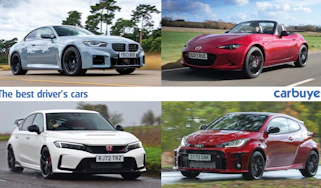
For out-and-out performance and driving engagement there’s the GR Yaris hot hatch, but in all honestly it has very little in common with the standard Yaris at all. It’s the only ‘Yaris’ now available with a manual gearbox, coming with a very powerful 1.6-litre petrol engine – we’ve reviewed that model separately.
In typical Toyota fashion, the Yaris Hybrid's interior feels well made and boasts an improved infotainment setup featuring Apple CarPlay and Android Auto, but it isn't as stylish as those of the Clio or Jazz. There are too many black plastics, which is a shame given that the exterior now looks more desirable.
If you have an eye on running costs and the environment but aren't sure about fully electric cars just yet, the Yaris Hybrid could be the ideal choice. It's affordable, good to look at and ideally suited to the driving most superminis are used for. It can also have an unrivalled 10-year warranty, so long as you don't mind sticking to Toyota servicing.