Nissan Qashqai review – a comfortable and efficient family SUV
“The Nissan Qashqai is comfortable and efficient with impressive tech and precious few flaws”

Pros
- Lots of equipment
- Comfortable to drive
- Low running costs
Cons
- Dull to drive
- Not as practical as it looks
- Rivals outshine it in key areas
Verdict – is the Nissan Qashqai a good car?
The Nissan Qashqai is a household name in the UK, and while this new version is better than before it also has many of the same flaws. It looks better inside and out, plus there’s more up-to-date tech and it’s just as comfortable, efficient and well-priced as ever. The Qashqai is well worth a look as a family car, but many of the best mid-size SUVs are better to drive, more practical and better value for money.
Nissan Qashqai models, specs and alternatives
The Nissan Qashqai took the market by storm when it launched, piggy-backing on the boom in popularity of family SUVs. It regularly features in the list of the top best-selling cars in the UK and was the best-selling car in 2022. It’s still very popular; it was the UK’s third best-selling model in 2024, coming behind its close rival the Kia Sportage which tops the class, and the smaller Ford Puma which is the best-seller overall.
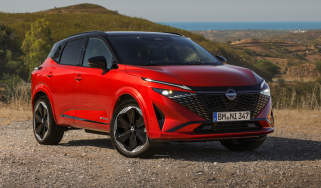
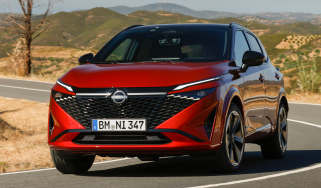
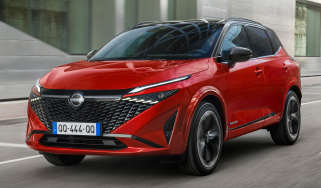
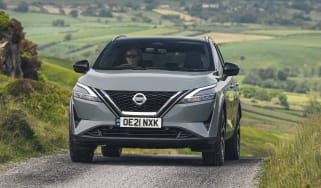
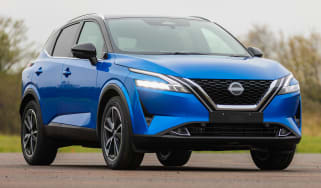
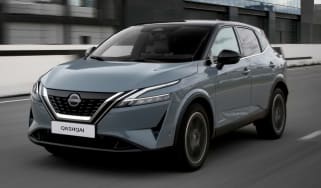
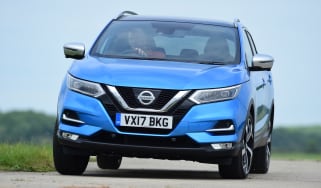
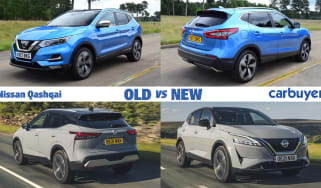
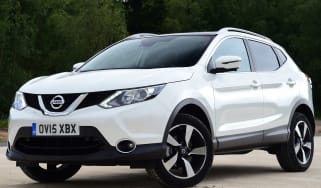
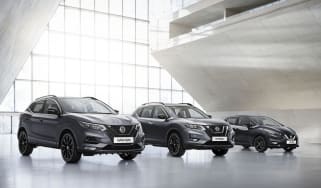
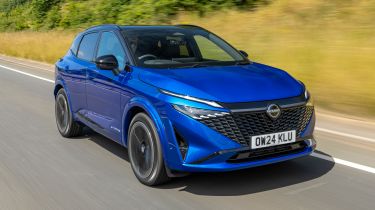
The latest third-generation model launched in 2021, but has since been revitalised with a 2024 makeover that gave it slightly more eye-catching styling. We think it looks all the better for it, and makes it easier to make out in the crowd, but time will tell whether this lasts – familiarity breeds contempt, and the popularity of the Qashqai can also be its downfall.
 The best mid-size SUVs – our 2025 top picks
It has a more imposing grille than before, using design elements from a Japanese warrior’s armour. It features new lights that give it a distinctive look from the front, and despite the rear being really similar to before, it’s given a fresher look too thanks to the new lights there.
More reviews
Car trim reviews
- Nissan Qashqai Tekna
- Nissan Qashqai N-Tec
- Nissan Qashqai Acenta Premium
- Nissan Qashqai Visia
- Nissan Qashqai Acenta
In-depth reviews
Road tests
Used car reviews
There are two engines available in the Qashqai. The first is a 1.3-litre petrol unit with either 138bhp or 156bhp and a choice of a manual or automatic gearbox. Four-wheel drive is available on the top-spec models.
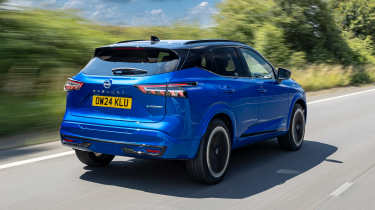
The second option is the Qashqai e-Power, which is a clever variation on a hybrid. Instead of an engine driving the wheels with help from an electric motor – as in many hybrids – the 187bhp electric motor does all of the work and the engine is used to power the motor and charge the small battery. It’s an efficient and smooth-driving car as a result of this clever tech and it feels a lot like driving a purely electric model.
Trim levels begin with the Acenta Premium, then there’s N-Connecta, Tekna and N-Design versions, and at the top of the tree there’s the Tekna+. All except the base model come with impressive Google-based media systems, so tech is a strong point. Prices have jumped significantly with the 2024 update, partly because the old entry-level Visa trim is gone, so the Nissan Qashqai now starts at around £30,000 and rises to around £39,000 for top-spec cars, or £43,000 for the e-Power hybrid in top trim.
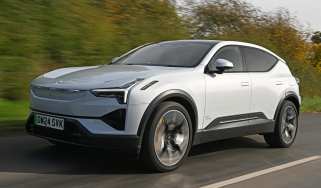
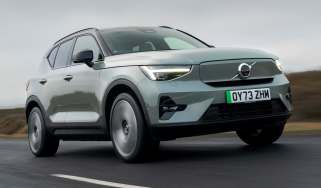
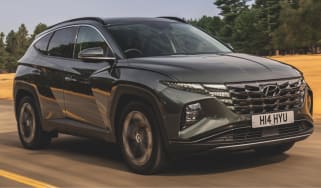
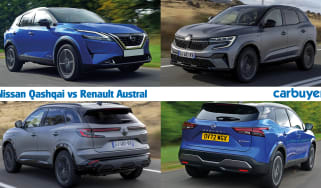
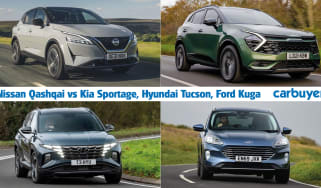
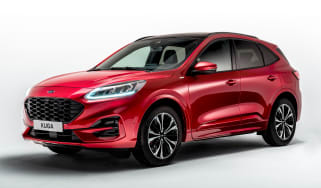
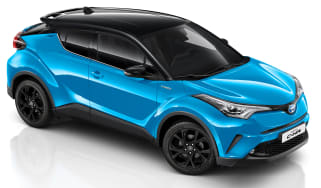
It all helps the car to stand out in a sea of bold-looking rivals that includes the Peugeot 3008, Toyota C-HR and Hyundai Tucson. Other options include the Kia Sportage, Ford Kuga, SEAT Ateca, Skoda Karoq, and Volkswagen Tiguan. The Honda CR-V and Toyota RAV4 are alternatives to the hybrid e-Power model, too.
The Qashqai isn’t the roomiest car in its class, but it does the job well as a family car. Its boot capacity ranges from 504 to 479 litres, which is average for the class but much smaller than the latest Hyundai Tucson and Kia Sportage.
| Trim levels | Power options |
|
|
MPG, running costs & CO2 emissions
Petrol versions achieve 44.8mpg according to official figures for the manual version. The automatic gearbox betters that with 45.6mpg, while the hybrid e-Power model is the best in the range at 54mpg. Those figures are middling, as the Peugeot 3008 hybrid gets 50mpg and the Toyota CH-R returns over 60mpg. Read more about the Nissan Qashqai’s MPG, running costs and CO2 emissions…
Engines, drive & performance
The Qashqai is competent rather than hugely enjoyable to drive. Ride quality is good and the engines are refined so it’s a comfortable car for any kind of driving. It isn’t the sharpest handling car in the class, though. The 1.3-litre petrol engine with mild-hybrid assistance is a solid unit but lacks a little in terms of performance. The Qashqai e-Power is the Nissan SUV for you if you can’t stretch to the Ariya EV or aren’t ready for a fully electric car. It’s smooth and hushed at low speeds but can sound a bit rough when pushed hard. Read more about the Nissan Qashqai’s engines, drive and performance…
Interior & comfort
Material quality is good and there’s plenty of tech, including Apple CarPlay and Android Auto in base versions and a new Google-based system for all other versions that works very well. It uses a 12.3-inch touchscreen on the dashboard and has built-in Google Maps and a voice assistant. The Qashqai is comfortable to drive and the interior is a pleasant place to spend time. Read more about the Nissan Qashqai’s interior and comfort…
Boot space, practicality & dimensions
The Qashqai is roomy inside, and even tall teenagers and adults will be fine with the amount of legroom and headroom in the back seats. It works well as a family car, but other models you might consider, including the Skoda Karoq, have larger boots. There’s 504 litres of boot space in the Qashqai, which is good but not class-leading. Read more about the Nissan Qashqai’s boot space, practicality and dimensions…
Reliability & safety
The Qashqai received a five-star safety rating from Euro NCAP in 2021, which still applies to this 2024-on facelifted model. We like the Driver Assist Custom Mode that lets you select which safety assist functions you need and activate them at the touch of a button. Read more about the Nissan Qashqai’s reliability and safety…
Nissan Qashqai alternatives
There’s no shortage of options in the mid-size SUV class and buyers considering a Nissan Qashqai can be forgiven for feeling a little daunted by all the options available. The Qashqai’s direct rivals are in the mainstream SUV market, but pay a little more and there are premium-badged or larger, more practical large SUVs like Nissan’s own X-Trail or the Toyota RAV4. Some will also be looking at traditional family hatchbacks and estate cars which fulfil a similar role to Nissan’s offering.
Mid-size SUVs
The Nissan Qashqai’s core rivals sit in the mid-size SUV class where you’ll find a wide variety of models and an increasing number of more design-led coupe-SUVs.
Premium mid-size SUVs
More expensive than the Qashqai but generally offering higher quality cabins, better residual values and more brand equity.
Family hatchbacks
Often seen as a less fashionable choice than mid-size SUVs, family hatchbacks tend to have a better driving experience but lack the high driving position so many people like.
Should you buy a Nissan Qashqai?
The Nissan Qashqai established itself so firmly when it first arrived that we still use it as a benchmark for this type of car. You’ll often see us compare a new model’s size to one, as it’s one of the most popular mid-sized SUVs in the UK. The latest version that arrived in 2024 is the best Qashqai yet, but rivals have caught up – and overtaken it – in the years since the first one appeared.
The Qashqai is still a great family car, as it’s comfortable to drive, has enough space for passengers, the engines are relatively efficient and it’s relatively well-priced. However, there are comfier, more spacious, more efficient and cheaper rivals these days, so while the Nissan doesn’t really do anything badly, it’s not a stand-out car anymore. It’s a good all-rounder, though, and if you want a no-fuss family SUV then it’s well worth considering.
What is the best Nissan Qashqai for low running costs?
Even the base mild-hybrid model’s petrol engine is reasonably efficient, quiet and doesn’t use too much fuel. However, it can’t beat the e-Power hybrid model for fuel efficiency. The e-Power costs more than the petrol to buy, so you’ll need to work out if the lower fuel bills offset a higher monthly cost.
What is the Carbuyer pick of the Nissan Qashqai range?
We’d skip the entry-level Acenta Premium version because it misses out on the built-in Google infotainment, but the mid-range N-Connecta has pretty much everything you need and gets the Google tech as standard. The e-Power is our pick of the engine range as it’s better to drive and more efficient than the petrol, but it’s unlikely to be cheaper to run overall than the normal petrol if you’re buying on finance.
How we tested the Nissan Qashqai
We tested a Nissan Qashqai e-Power N-Design and a 1.3-litre mild hybrid Tekna with a manual gearbox on mixed roads around Faro in Portugal. The 2024 Nissan Qashqai received no changes to the engines or the driving experience, however, so the multiple drives we’ve also had in the pre-facelift car in the UK and Europe remain relevant.
What about buying a used or nearly new Nissan Qashqai?
The latest Nissan Qashqai is still very new and while there are some second-hand models available, they aren’t too common yet. They should be a great buy if you’re considering a new one, though, as the car will be as reliable and as well-kept as a new car but with a lower price. The used car market is turbulent right now, but find a good deal and a used Nissan Qashqai is a fine option.
What’s its history?
The first Nissan Qashqai came out in 2007 and many credit the car with starting the current trend for crossovers and SUVs. It may not have been the first crossover (a car with the practicality of an SUV but running costs more like a hatchback) but the Qashqai was in the right place at the right time to pick up lots of fans.
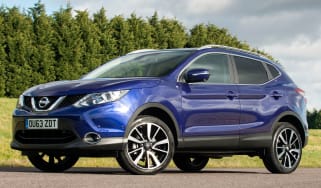
The second-generation model arrived in 2014, and while it wasn’t as revolutionary as the first version, it was a big success and was among the best cars in its class when it first came out. Rivals that came along since then bettered it in many ways, though, and by 2017 when it was facelifted the Qashqai was starting to feel a bit outdated.
The newest model feels back up-to-date, especially as it uses modern hybrid tech and the driving experience is as good as ever.
Used Nissan Qashqai (Mk2 2014-2021)
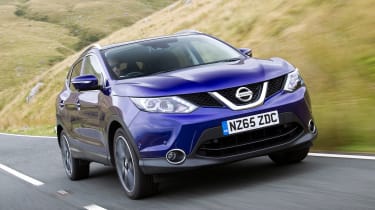
The second-generation Qashqai arrived in 2014, and was updated in 2017 and then again in late 2019. The later models with the 1.3-litre petrol engine are best, but also the most expensive. If you want a cheaper-to-run earlier model, the 1.5-litre diesel is a good option. Read more in our buying guide covering everything you need to know.
Read the full Nissan Qashqai Mk2 review...
Used Nissan Qashqai (Mk1 2007-2014)
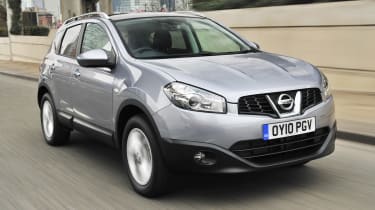
The first-generation Nissan Qashqai is still a worthy used buy, as prices are low and it’s as practical as it was when new. As most are now over ten years old, you may find that maintenance costs are an issue, but it should still be a good family car at an affordable asking price.
Visit our sister site Auto Express for an alternative view on the Nissan Qashqai...
Which Is Best?
Cheapest
- Name1.3 DiG-T MH 158 Acenta Premium 5dr
- Gearbox typeManual
- RRP£30,335
Most Economical
- Name1.5 E-Power 205 Acenta Premium 5dr Auto
- Gearbox typeAuto
- RRP£34,675
Fastest
- Name1.5 E-Power 205 Acenta Premium 5dr Auto
- Gearbox typeAuto
- RRP£34,675